Close

Crypto Casino Games
Browse crypto casino games by category, provider, and what’s trending now. Explore crypto slots, crash games, live casino titles, table games, and provably fair games, with every listing linking directly to the casino that offers it.
Trending Games
Browse by Category
What Players Are Spinning
This section highlights the games getting the most attention from Hash Spins users right now, from major slot titles to crypto-native favourites.
1
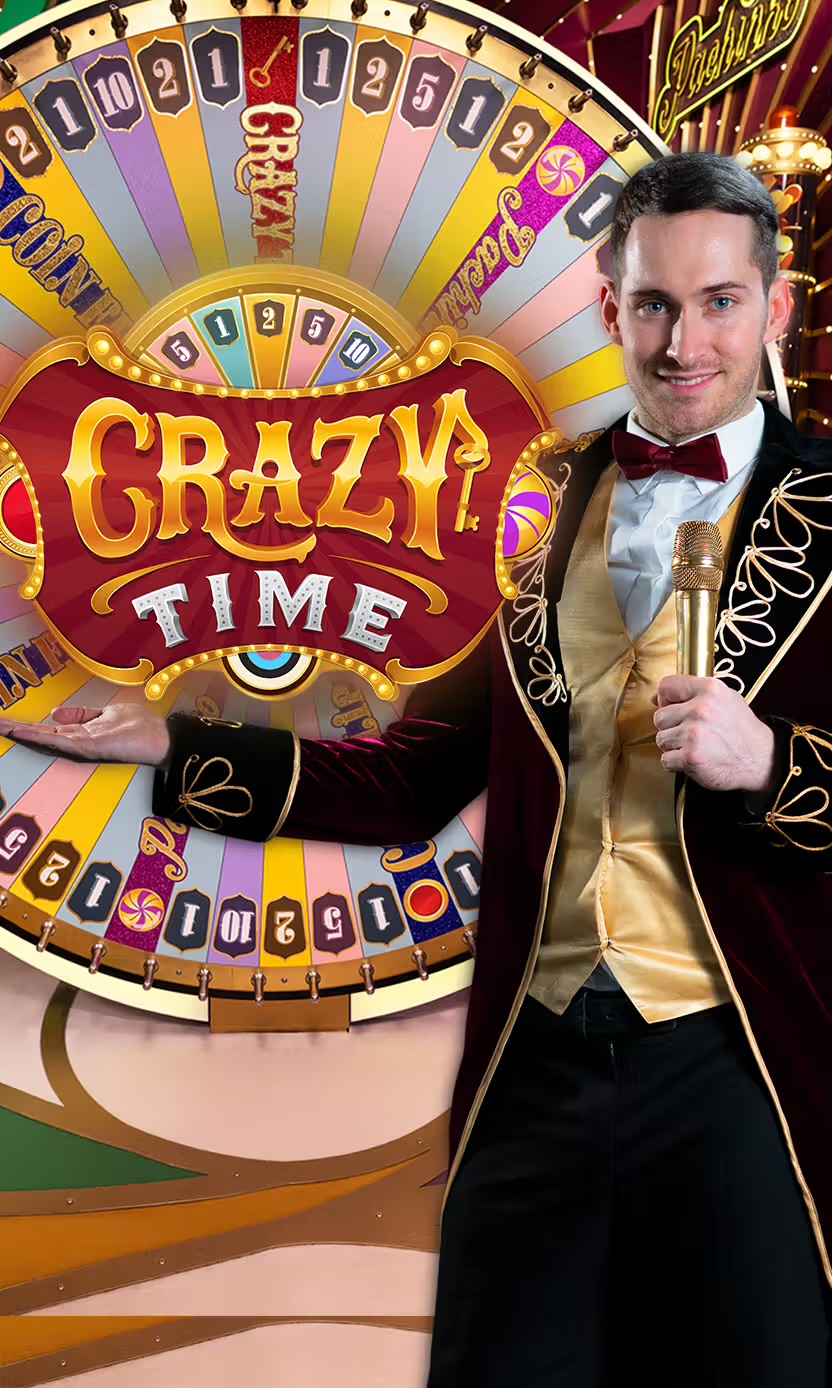
Crazy Time
2
Razor Returns
3
Sugar Rush

4
Gates of Olympus

5
Wanted Dead or a Wild

6
Big Bass Hold & Spinner Megaways
7
Crazy Coin Flip
8
Le Bandit

9
Goal

10
Chaos Crew

11
Legacy of Dead
12
Aviator
13
Provably Fair Dice
14
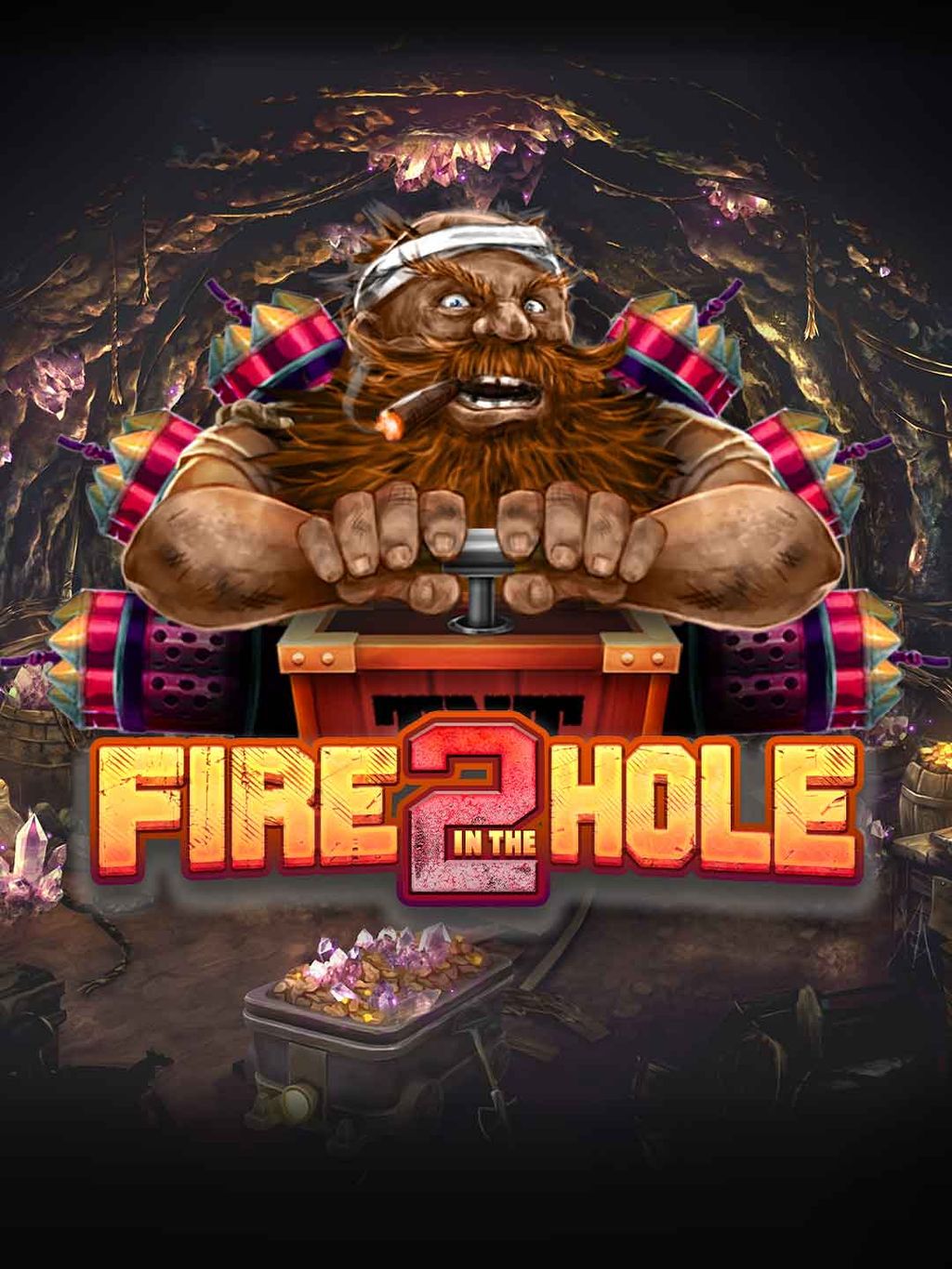
Fire in the Hole 2
15
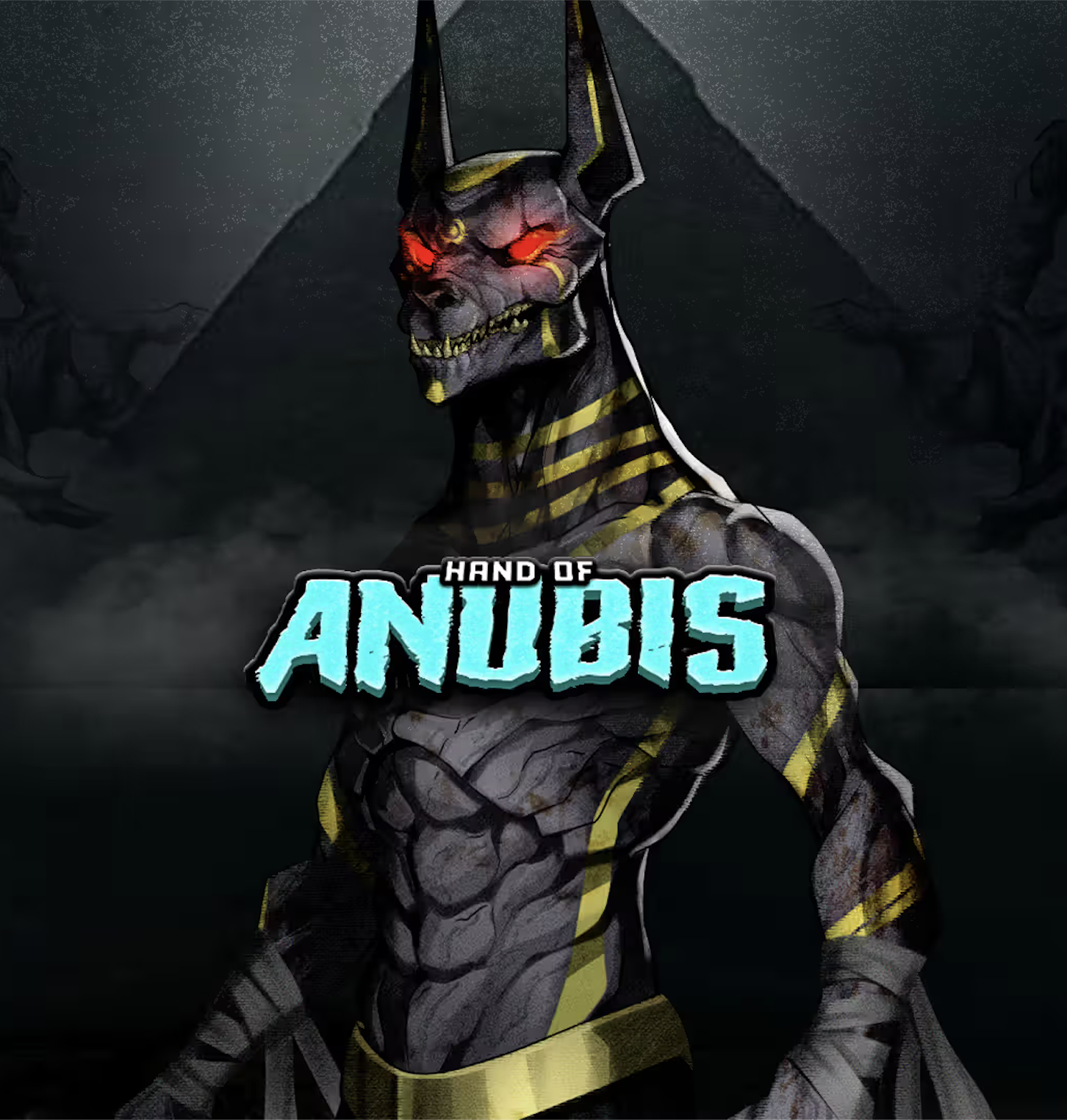
Hand of Anubis
16
Extra Chilli

17
Wolf Gold
18
Limbo
19
Reactoonz
20
Gonzo’s Quest

21
Starlight Princess
22
Prize Case
23
Tennis
24
Sweet Bonanza
25
Mystery Box

26
Dead or Alive 2
27
Bonanza
28
Money Wheel
29
Funky Time
30
Dice
31
Chicken Road

32
Big Bass Bonanza
33
Football
34
Blood Suckers
35
Balloon
36
Starburst
37
Divine Fortune
38
Mines
39
Casino Hold’em
40
Mega Scratch
41
Jammin’ Jars
42
Gates of Olympus 1000
43
Three Card Poker
44
Immortal Romance
45
Lightning Dice
46
Dream Catcher

47
Sweet Bonanza 1000
48
Bonus Scratch
49
Hall of Gods
50
Monopoly Live
51
Money Train 4
52
Mega Moolah
53
Money Train 2
54
Book of Dead
55
Cash Buster
56
Gold Scratch Card
57
Slingo Rainbow Riches
58
Buffalo Hold and Win

59
Baccarat
60
Cash Scratch

61
Buffalo King Megaways
62
Moon Princess
63
Mega Fortune
64
Blackjack
65
Esports
66
Lucky Crate
67
Dice Duel
68
HiLo Dice
69
Jacks or Better
70
Mega Joker
71
Live Betting
72
Treasure Chest
73
Let It Ride
74
WowPot
75
Big Bass Hold & Spinner
76
Big Six Wheel
77
Deuces Wild
78
Caribbean Stud
79
San Quentin
80
Basketball
81
Deal or No Deal Live
82
Lucky 7 Scratch
83
Ultimate Texas Hold’em
84
JetX
85
Bonus Poker
86
Mega Wheel
87
Dragon Link
88
Slingo Deal or No Deal
89
Slingo Starburst
90
Lightning Roulette
91
Pai Gow Poker
92
Hold and Win Megaways
93
Double Double Bonus Poker
94
Joker Poker
95
Golden Case
96
Roulette
97
Crash
98
Plinko
Find Your Game Type
Explore the categories shaping crypto casino play, from jackpot slots and table games to crash titles, live dealer rooms and provably fair formats.

















Wheel Games games
Video Poker games
Table Games games
Sports games
Slots games








Scratch Games games
Poker Games games
Originals games
Loot Boxes games
Live Dealer games
Jackpots games
Instant Win games
Hold Win games
Game Shows games
Dice Games games
Card Games games
Bonus Games games
Arcade games

Crypto Casino Games Explained
Crypto casino games have grown far beyond being a niche version of traditional online casino play. What began as a small segment focused on Bitcoin deposits and a limited range of simple titles has developed into a broad gaming ecosystem that now includes everything from classic slots and blackjack to provably fair originals, live dealer tables, crash games, game shows, and arcade-style formats.
At Hash Spins, we use the term crypto casino games to describe the full range of casino-style games available on gambling platforms that support cryptocurrencies such as Bitcoin, Ethereum, Litecoin, USDT, Solana, Dogecoin, and other digital assets. In practice, these games may appear on pure crypto-native casinos, hybrid casinos that support both fiat and crypto, or larger gambling brands that have expanded into blockchain-friendly payments and crypto-oriented audiences.
What makes crypto casino games especially attractive to many players is not only the payment method, but the overall style of the experience. Crypto casinos are often associated with faster registration, broader international access, more flexible payment options, faster withdrawals, higher volatility product design, and a stronger focus on modern game formats. Some players are drawn to speed and convenience. Others are interested in privacy, coin variety, provably fair mechanics, or the wider game libraries that many crypto-focused operators now offer.
That said, crypto casino gaming is not a category defined by one game type alone. A strong crypto casino may combine thousands of titles from multiple software providers, including slots, table games, live dealer experiences, jackpot products, arcade formats, crash games, and proprietary originals. The modern crypto casino floor is wide, fast-moving, and often more fragmented than the standard online casino environment. That creates opportunity, but it also creates confusion. Many users know they want to play with crypto, yet are not always sure which game types matter most, which providers are strongest, or which casinos actually offer the games they are looking for.
What This Page Covers
The Crypto Casino Games page on Hash Spins is designed to help users explore the crypto casino floor in a more organised, practical, and searchable way.
Rather than treating games as a random content inventory, we present them through a framework that reflects how players actually browse and compare titles. On this page, users can move through games by:
- category
- software provider
- weekly player interest
- broader popularity across casinos
In practical terms, that means the page helps users discover:
- the most viewed or most played game pages drawing attention right now;
- popular casino games across a range of providers;
- games that appear across multiple crypto casinos;
- titles grouped by the type of experience they offer;
- direct paths from a game page to the casino where that title can actually be played.
Many users search for a game first and only then decide which casino to play it on. Others start with a casino and only later explore what games it carries. A strong crypto games page should support both journeys.
At Hash Spins, our approach is to make game discovery easier by connecting titles to the broader casino ecosystem around them. That includes identifying popular games, surfacing categories clearly, and helping users understand what each format is actually about before they click through.
Why Crypto Casino Game Discovery Matters
Not all casino games serve the same kind of player intent.
Some players want fast rounds and simple mechanics. Some want high-volatility play with the potential for large multiplier outcomes. Some want strategic decision-making, while others want passive entertainment, social energy, jackpot potential, or live interaction. In crypto gambling, these different preferences often become even more pronounced because many crypto casinos are built around speed, volatility, and broad experimentation in product design.
That creates a few important realities:
Game type influences player experience
A slot player is not looking for the same thing as a crash-game player. A blackjack player may value rhythm, control, and return-to-player expectations, while a live dealer player may be looking for realism and atmosphere. A user exploring original games may care more about provable fairness, unique mechanics, and instant rounds than about traditional casino structure.
Provider matters
In crypto casinos, software providers shape a large part of the experience. The same category can feel completely different depending on who built the game. One slot provider may focus on cinematic design and massive bonus rounds, while another emphasises simple interfaces and high hit frequency. One live provider may stand out for presentation quality, while another wins on table variety or betting limits.
Availability varies by casino
Not every game appears everywhere. Even major titles may only be carried by certain operators, and provider partnerships vary widely. Some casinos specialise in originals and crash-style products. Others lean heavily into slots and live casino. Some carry dozens of providers, while others are more selective.
Search intent is often category-led
A large share of casino search behaviour is category-driven. Users search for terms like crypto slots, Bitcoin blackjack, provably fair dice, live dealer roulette, jackpot games, or instant win games because they already know the style of play they want. A page that explains categories well and connects those categories to discoverable inventory has much stronger value than a page that simply lists random titles.
How to Use This Page
The Hash Spins crypto games page is designed to work for multiple kinds of users.
If you already know the game category you want, the filter structure makes it easier to narrow the field quickly. If you are provider-led, you can explore the games associated with particular studios or developers. If you are simply browsing what is popular right now, the page can also surface the games attracting the most attention across the site.
This means the page can support several common journeys:
- finding a specific game by name;
- exploring a favourite provider’s catalogue;
- discovering the most viewed games in the past week;
- comparing different categories before deciding what to play;
- moving from a game page directly to the casinos that offer that title.
The page should help users understand the structure of the crypto casino market. The category descriptions below are part of that function.
Crypto Casino Game Categories Explained
Below is a detailed breakdown of the major game types featured on the page.
Slots
Slots remain the largest and most visible category across both traditional online casinos and crypto casinos. They are easy to start, fast to understand, and capable of supporting a huge range of themes, volatility models, bonus features, and jackpot structures.
In crypto casinos, slots often dominate game libraries because they scale well across desktop and mobile, support a broad range of player budgets, and can be distributed across many providers. They also tend to be the category where new releases appear most frequently.
Crypto slots may include:
- classic fruit-machine style titles;
- video slots with cinematic themes and advanced features;
- high-volatility games built around large multipliers;
- bonus-buy mechanics where available;
- progressive or fixed jackpot slots;
- branded or feature-heavy modern releases.
Players are usually drawn to slots because of their variety and simplicity, but there is still a lot of depth inside the category. The difference between low-volatility slots, medium-volatility entertainment titles, and highly aggressive big-win games can be significant. Provider style, feature structure, RTP profile, hit rate, and bonus round design all shape the slot experience.
On a page like this, slots matter not only because they are popular, but because they are often the entry point to the wider crypto casino ecosystem.
Table Games
Table games cover the traditional casino staples built around cards, wheels, and structured player decisions. In most crypto casinos, this category includes games such as blackjack, roulette, baccarat, and related variants that are presented in digital, RNG-based form rather than through live dealers.
Table games attract players who want a more deliberate rhythm than slots or crash games. They often appeal to users who value familiar rules, repeatable structures, and in some cases a greater sense of control. A blackjack player, for example, may approach the game very differently from a slot player, focusing on decision-making, pace, and long-term value rather than feature-driven volatility.
In crypto casinos, table games are important because they anchor the platform in recognisable casino tradition while still fitting naturally into fast, modern interfaces. They often serve players who want simplicity without chaos.
Wheel Games
Wheel games are built around a spinning wheel mechanic, usually with a simplified betting structure and instant outcome resolution. Some are inspired by classic money wheels or big six formats, while others are modernised with higher-energy presentation and crypto-native styling.
These games appeal to players who want very quick rounds and minimal complexity. Wheel games are usually easier to understand than table games and more visually direct than some slot mechanics. They sit in an interesting space between pure chance entertainment and headline-driven multiplier play.
In a crypto casino environment, wheel games often perform well because they match the fast-play habits of users who want quick action and clear results.
Jackpots
Jackpot games are built around the possibility of unusually large prize pools, whether through progressive jackpot structures, fixed top prizes, or layered bonus events tied to rare outcomes. The appeal is straightforward: these are the titles players turn to when the dream of an outsized win is part of the experience.
In crypto casinos, jackpot titles may appear inside slot categories, dedicated jackpot pages, or provider-specific collections. Some are linked across a network, allowing a prize pool to grow as more players wager, while others attach jackpot features to individual games.
The jackpot category is especially important because it attracts a very clear kind of user intent. Players searching for crypto jackpot games are typically looking for size, volatility, and big-win potential first, not gentle entertainment.
Live Dealer
Live dealer games aim to replicate the atmosphere of a real casino by streaming real human dealers from studio tables or casino-style environments. This category often includes live blackjack, live roulette, live baccarat, game-show tables, and other table-based formats with real-time interaction.
For many players, live dealer is where the modern online casino feels most tangible. It combines the convenience of online play with a more immersive, social, and visual experience.
In crypto casinos, live dealer matters because it serves players who want a less abstract experience than RNG games. It is often associated with:
- real-time streaming;
- multiple betting limits;
- branded studio environments;
- chat or interaction features;
- more traditional casino aesthetics.
This category also tends to reveal a lot about a casino’s provider quality, table variety, and overall product ambition.
Originals
Originals are one of the defining categories of crypto casino culture. These are games built directly by the casino or by closely associated teams rather than by standard third-party casino studios. They are often designed around speed, minimalism, and repeat play, and they frequently include mechanics that have become synonymous with crypto gambling.
Originals may include games such as crash, limbo, mines, plinko, tower, dice, and other fast-round formats. Many of them are marketed as provably fair, meaning the outcome verification model is built around cryptographic principles that allow users to check the fairness of results.
This category is especially important because it differentiates crypto casinos from standard online casinos. Originals are often where crypto-native platforms build their identity. For some users, originals are not just an extra category — they are the main reason to choose a crypto casino in the first place.
Poker Games
Poker games on casino pages usually refer to casino-style poker variants rather than peer-to-peer tournament or cash-game poker rooms. This may include titles such as Casino Hold’em, Caribbean Stud, Three Card Poker, Let It Ride, Pai Gow Poker, and related formats.
These games appeal to players who like card-based rhythm but do not necessarily want the complexity of full poker ecosystems. They often sit between table games and card games in feel, combining structured rules with familiar poker-style hand evaluation.
In crypto casinos, poker variants give users more card-based choice without requiring a dedicated poker room environment.
Video Poker
Video Poker is a specialist category that blends slot-like accessibility with poker-based decision-making. The player receives a hand, chooses which cards to keep, and then draws replacements in pursuit of ranking combinations according to a payout table.
The appeal of video poker lies in its balance. It is faster and more solitary than live or peer-based poker, but more strategic than a typical slot. For some players, it represents one of the cleanest forms of game design in the online casino space.
In crypto casinos, video poker may be a smaller category than slots or originals, but it remains important for users who want structured play and a more analytical feel.
Card Games
Card games is a broader category that can include both traditional table-style card titles and lighter card-driven formats that do not fit neatly into blackjack, baccarat, or poker-specific categories. Depending on the platform, this may include specialty card games, simplified duel formats, side-bet-driven titles, or other hybrids.
This category helps capture users whose interest is card-led rather than roulette-led or slot-led. It also gives the page room to organise game inventory in a more intuitive way when provider taxonomies vary.
Dice Games
Dice games have deep roots in both traditional gambling and crypto-native casino design. In a crypto context, dice often refers to minimalist over/under or target-number games built around rapid result generation, adjustable risk, and repeatable play.
Many provably fair casinos helped make dice one of the signature formats of early crypto gambling. Its simplicity, speed, and transparent mathematics made it especially attractive to players who wanted a direct game without long animations or complicated bonus systems.
Dice remains one of the most recognisable categories in crypto casino gaming because it reflects the culture of efficiency and control that many early crypto players valued.
Instant Win
Instant win games are designed to produce immediate results with minimal waiting, minimal setup, and minimal mechanical complexity. This category often includes simple reveal-based or click-based products where outcomes are resolved almost as soon as the player engages.
Players looking for quick entertainment, straightforward mechanics, or lighter gambling sessions often gravitate toward instant win titles. In crypto casinos, these games fit naturally with the broader emphasis on speed and accessibility.
From a page architecture perspective, instant win is also an important category because it captures a very different user intent from slower, feature-heavier formats.
Bonus Games
Bonus games generally refer to titles or subcategories built around feature-driven play, promotional structures, layered reward events, or enhanced win mechanics that sit outside pure standard categories. Depending on the casino taxonomy, this label may capture games where the core selling point is not the base loop but the extra reward structure layered on top.
For players, the bonus-games concept usually signals entertainment value, mechanics depth, and the possibility of more interactive or event-driven sessions.
Hold Win
Hold win is a feature-led slot subcategory associated with respin mechanics, locked symbols, collection events, and escalating prize potential. In many modern casino environments, hold-and-win style products have become one of the most recognisable slot formats because they combine straightforward play with highly visible bonus anticipation.
Players often search for hold win games specifically because the mechanic itself has become a content category. In crypto casinos, where users are often comfortable moving quickly between titles, mechanic-led categories like hold win can be especially valuable for discovery and retention.
This type of category shows why a strong games page should not organise content only by traditional genre. Sometimes players search for a mechanic, not just a broad game class.
Game Show
Game show titles combine elements of live dealer, wheel mechanics, bonus rounds, entertainment television styling, and social presentation. They are often built around large studio sets, presenters, audience-facing design, and varied mini-game features.
This category matters because it has become a major crossover format between casino play and entertainment-first content. Game-show titles often appeal to players who want more atmosphere, more presentation, and a less conventional casino feel.
In crypto casinos, game shows can be a strong engagement layer, especially for users who prefer live-hosted content but want something more dynamic than standard blackjack or roulette tables.
Arcade
Arcade games bring in mechanics that feel closer to mobile or casual gaming than to classic casino categories. They may involve timing, progression, simplified controls, cartoon styling, or lightweight challenge structures.
In crypto casino environments, arcade games reflect the continuing expansion of casino content beyond traditional card, wheel, and reel-based products. They help platforms speak to users who are comfortable with gaming culture more broadly and who may prefer lighter, faster, or more playful sessions.
Arcade-style categories also show how the crypto casino market is increasingly shaped by hybrid entertainment design.
Loot Boxes
Loot boxes in gambling-adjacent environments typically refer to reveal-based prize mechanics where the excitement comes from opening a container, pack, chest, or reward object with uncertain value or item distribution. In some casinos or gaming platforms, these mechanics are adapted into wagering structures or chance-based reveal experiences.
This is a category that sits close to the wider gamification trend in crypto entertainment. It tends to appeal to users who enjoy anticipation, visual reveals, rarity structures, and collectible-style design logic.
Editorially, it is also a category worth describing clearly because many users will recognise the concept from gaming culture even if they have not seen it inside a casino taxonomy before.
Scratch Games
Scratch games are digital descendants of scratch cards. The core mechanic is simple: reveal a surface, uncover symbols, and determine whether a winning combination has appeared. They are fast, intuitive, and often lower-friction than feature-heavy titles.
Scratch games appeal to players who want instant outcomes without long sessions. In crypto casinos, they fit the short-session, quick-result pattern that many users enjoy. They also serve users who prefer simpler interfaces and lower mechanical complexity.
Sports
The inclusion of Sports on a broader crypto gaming page usually reflects the overlap between casino-style products and sportsbook ecosystems on hybrid gambling platforms. Some crypto casinos also operate or integrate sports betting products, making this category relevant within the broader user journey.
From a user perspective, sports sits apart from pure casino gaming because it is event-led rather than game-loop-led. However, it still belongs in a broader crypto gambling discovery structure when the same platform serves both intents.
On a page like this, sports may function as a bridge category for users who move between casino play and betting, or who want a fuller picture of what a platform offers.
How Providers Shape the Games Landscape
Categories are only one part of the picture. Providers matter too.
A modern crypto casino games page becomes far more useful when users can browse not just by type of game, but by the studios and software brands behind those games. Different providers bring different design philosophies, interface styles, mathematical profiles, volatility models, and content strengths.
Some providers are known for:
- high-end slots with strong production value;
- dense live dealer catalogues;
- provably fair originals;
- crash and fast-play formats;
- niche card or table titles;
- jackpot integrations;
- region-specific favourites.
When users browse by provider, they are often making a quality judgement or style judgement rather than a category judgement. A strong page should support both behaviours.
Why Popularity Signals Matter
The page also becomes stronger when it reflects live or recent user interest.
Sections built around most played games across crypto casinos or broader game popularity can help users identify what is drawing attention right now. That kind of signal does not replace editorial judgement, but it adds a layer of relevance and timeliness.
Popularity-based sections matter because:
- they reflect current user attention;
- they help surface titles that are actively being explored;
- they give new users a starting point when they do not know what to search for;
- they help distinguish evergreen game categories from current momentum.
Where popularity signals are used, it is good practice to frame them transparently. A user should understand whether a section reflects editorial curation, provider prominence, or actual user interest over a recent time window.
Final Word on Crypto Casino Games
Crypto casino games are no longer a narrow subcategory of online gambling. They now represent one of the most varied and rapidly evolving areas of the market, spanning traditional casino formats, crypto-native originals, live entertainment, and highly gamified hybrid experiences.
A strong page in this space should do more than list titles. It should help users understand the market, discover games more intelligently, compare providers and categories more easily, and move from interest to action with less confusion.
That is the purpose of the Hash Spins crypto games page.
Whether a user is looking for the most viewed games of the week, a particular provider’s catalogue, a familiar table format, or a crypto-native original with faster play, the page should make that journey clearer, more searchable, and more useful.
And because every game page connects directly to the casinos offering that title, it also helps bridge one of the most common gaps in crypto gambling discovery: knowing not just what a game is, but where to actually play it.
At Hash Spins, we see the crypto casino games landscape as more than a library. It is a map of player behaviour, provider quality, category trends, and casino availability — and this page is designed to help users navigate it with more confidence.

F.A.Q
Slots are usually the most popular category, followed by roulette, blackjack, and live dealer games. In many crypto-focused casinos, crash games and plinko are also highly popular because of their speed and simple gameplay.
Start with the category that matches your preferred pace and play style, then compare RTP, volatility, provider, and game format. Fast-game players often prefer crash or plinko, while users who want structure may prefer roulette or blackjack.
They are different, not better or worse. Slots offer more variety and features, while table games like roulette and blackjack offer more familiar rules and a more structured format.
RTP means return to player, which is the long-term expected return of a game over many rounds. It helps compare games, but it does not guarantee short-term outcomes.
Providers create the games and define the mechanics, features, RTP, and gameplay feel. If you like one game from a provider, you may prefer other games from the same studio as well.
It depends on your preference. Live dealer games feel more immersive and social, while RNG games are usually faster and easier to access on mobile with fewer delays.
No. Many bonuses apply mainly to slots, while table games and live dealer titles may contribute less or not at all to wagering. Always check bonus terms and eligible games before playing.
Slots and roulette are often the easiest starting points because the rules are simple and the formats are easy to understand. Beginners should still set limits and start with small amounts.
Not necessarily. Trending games can help you find popular titles faster, but popularity does not mean better value or better results. Use trend signals together with RTP, volatility, and provider information.
Game libraries can change as casinos add or remove titles, providers, or categories. Always check the latest availability on the casino page before signing up or depositing.
