Crash
-/100
SEO Title: Crash Originals Review: RTP, Volatility, Strategy Myths and the Best Crypto Casino Versions
Meta Description: Crash Originals is one of crypto gambling’s most intense formats. This detailed review explains how crash games work, what the math really means, and how versions at Stake, BC.Game, Rakebit, Whale.io and BitStarz compare.
Suggested URL Slug: crash-originals-review
Crash Originals Review
Crash is one of the purest gambling formats in modern crypto casinos. It strips away reels, paylines, bonus symbols, and most of the visual clutter that fills slot lobbies, then replaces all of that with one brutal question: cash out now or hold a little longer. That simple decision is the reason Crash became a staple of crypto gambling faster than many traditional casino operators expected. The game is easy to understand, quick to access, naturally suited to mobile play, and built around the same instant-feedback loop that made provably fair originals so popular in the first place.
That simplicity can also be misleading. Crash looks cleaner than a slot and easier to read than a table game, but it is not a gentle format. It is one of the sharpest expressions of risk in online gambling. Small multipliers arrive often enough to create the illusion of control. Large multipliers appear often enough to keep players chasing. Then the occasional instant or near-instant crash wipes out a round before the session even settles. That combination is why Crash can feel smooth for ten minutes and punishing over a full session.
A serious review of Crash Originals has to deal with the game on two levels at once. First, there is the format itself: how it works, what the RTP really means, how volatility actually feels, and why auto cashout does not turn a gambling product into a stable income tool. Second, there are the platform differences: the version at Stake does not feel exactly the same as the version at BC.Game, and neither of those is identical to how Rakebit, Whale.io, or BitStarz package the experience.
This review covers both. It explains the Crash formula in practical terms, then compares how several major crypto casinos present their own original versions. The goal is not to sell the format as universally brilliant or to dismiss it as empty hype. The goal is to judge it honestly, explain who it suits, and show where the best versions stand out.
What Crash Originals Actually Are
Crash Originals are in-house or exclusive casino games built around a rising multiplier. A round begins at 1.00x and climbs upward until the game ends at a randomly determined point. If the player cashes out before the crash point, the stake is multiplied by the cashout number. If the game crashes before the player exits, the stake is lost.
That is the whole concept. There are no reels. No paylines. No wild substitutions. No bonus wheel doing hidden work in the background. The mechanic is brutally transparent on the surface: the multiplier rises and the player chooses when to leave. That design is a huge part of Crash’s appeal. It feels immediate, legible, and skill-adjacent, even though the actual outcome still sits on the side of chance.
The word Originals matters too. In crypto casinos, an original usually means a game developed in-house or licensed as a platform-exclusive title within a broader originals suite. These games tend to be faster than regular slots, more interface-driven, and more tightly integrated with crypto-specific tools such as instant balance updates, provably fair verification, auto bet settings, and chat or leaderboard features.
Crash is therefore not just a game mechanic. It is also one of the defining formats of the crypto casino era. It fits the culture of these platforms: speed, visibility, repeatability, and the sense that the player is interacting with the game rather than waiting for a slot to resolve behind an animation layer.
How Crash Works in Real Play
The practical experience of Crash is much more important than the abstract rule summary. A player chooses a stake before the round begins. Some versions allow one bet, while others allow two simultaneous bets with different exit targets. Once the round starts, the multiplier begins climbing from 1.00x. The player can cash out manually at any moment, or set an automatic cashout target before the round begins.
If the target is reached before the crash, the payout is locked. If the crash lands first, the full stake is lost. That means every round creates a familiar internal argument. The player sees a safe early exit. The player also sees a larger multiplier still climbing. The game is constantly asking whether the current win is enough.
That question is what makes Crash feel so different from a slot. A slot resolves the whole outcome for the player. Crash hands the exit decision back to the player and lets that decision create the emotional pressure. Some players love that because it feels active and engaging. Others eventually realise that the format can become mentally draining because every losing round feels partly self-authored, even though the crash point itself is still outside the player’s control.
The strongest versions of Crash keep this flow clean. The best interfaces make the bet entry, auto cashout, round history, and current multiplier instantly readable. Bad versions of Crash feel clunky within seconds because the format depends on rhythm. A single laggy moment or awkward control layout matters far more here than it does in a slow slot.
Why Crash Became a Crypto Casino Staple
Crash feels almost custom-built for crypto gambling. The game is fast, minimalist, and naturally suited to repeated short sessions. It works well with small deposits because the rules are easy to grasp in a few rounds. It also works well with larger action because the game can move huge volume quickly when the player starts chasing higher multipliers.
The social layer matters too. Many crash titles display live bets, recent multipliers, visible cashouts, and active round participation. That creates a multiplayer atmosphere even though each player is still making an individual decision. In crypto casinos, that sense of shared action is valuable. It makes the game feel closer to a live risk market than to a solitary slot session.
Provably fair framing also helped Crash become part of crypto casino identity. The format is simple enough that players can understand, at least in broad terms, how seed-based verification fits the result. That makes Crash a much easier game to market as transparent than a feature-heavy slot with dozens of hidden calculation layers.
Then there is the streaming effect. Crash is one of the easiest gambling formats to watch and understand in real time. A viewer does not need to know a paytable or bonus ladder. They only need to see the multiplier climb and the cashout moment. That makes it naturally compatible with streamers, clips, leaderboard promotion, and social-style casino content.
RTP, House Edge and What the Math Really Means
One of the biggest mistakes in Crash content is treating a high RTP as proof that the game is soft. That is not how Crash works in real sessions. Many original crash games sit around the 99% RTP mark, which sounds generous when compared with a lot of slots. On paper, that corresponds to a roughly 1% house edge, and that figure is common enough across the format to shape its reputation.
But RTP is a long-run number, not a promise about how a short session will feel. Crash can still be vicious over a single evening because the result pattern is highly path-dependent. A player aiming to cash out at 1.20x may see many small wins in a row, then lose several rounds instantly when the crash lands too early. A player aiming for 10x or 20x will experience even harsher variance, because the probability profile becomes dramatically less forgiving as the target climbs.
This is why Crash often feels more psychological than its headline RTP suggests. The game creates lots of visible near-misses. It also creates the illusion that safer targets are almost routine, until a low crash lands and erases multiple prior rounds. In practice, the format is not a stable drip-feed grinder unless the player is extremely disciplined, emotionally detached, and comfortable accepting modest edges while still knowing that even modest targets lose with frustrating regularity.
A good review therefore has to say two things at once. Yes, many Crash Originals offer a strong RTP by casino standards. No, that does not make Crash a gentle bankroll builder. The format remains sharp, volatile, and capable of producing ugly session swings at any stake size.
Volatility and Session Feel
Crash volatility is best understood through behaviour rather than through a single label. The game can be played in a low-target way, a balanced way, or a moon-shot way. Each produces a different session feel.
Low-target Crash is the version where players set auto cashout around the safer end of the multiplier range. That style aims for frequent small wins, but it is more fragile than it first appears. One early crash can undo multiple successful rounds, and a run of early crashes can make the entire strategy feel pointless.
Balanced Crash is where players target a middle band and accept that the session will include both steady patches and abrupt reversals. This is usually where the game feels most honest. The player is not pretending that tiny exits are safe, but is also not burning through bankroll chasing huge spikes every round.
High-target Crash is where the format becomes openly savage. The ceiling numbers make it tempting, but the further the player pushes the target, the more the session becomes a story of missed exits, dead rounds, and the occasional explosive hit that can distort memory. This is the version of Crash that creates the biggest bragging rights and the ugliest downswings.
That is why Crash should be described as a high-volatility format overall, even when some players try to play it conservatively. The format rewards discipline more than most casino games, but it punishes overconfidence just as hard. A game can feel simple and still be unforgiving.
Auto Cashout, Auto Bet and the Illusion of Control
One reason Crash remains popular is that it allows players to build routines around it. Manual cashout is the emotional version of the game. Auto cashout is the structured version. Auto bet takes that one step further by letting the player repeat patterns at speed.
Those tools are useful, but they should not be romanticised. Auto cashout can help remove panic and greed from some decisions. It can keep a player from freezing as the multiplier climbs or from refusing a reasonable exit out of pure chase mentality. In that sense, it improves discipline.
It does not change the edge. It does not change the randomness of the crash point. It does not transform a high-volatility product into a predictable one. What it does change is consistency of execution.
Auto bet is even more complicated. In theory, it helps players follow a defined plan without manually repeating the same setup every round. In practice, it can make spending speed much less visible. Crash is already fast. Autobet compresses attention further and can turn a session into a blur of wins and losses before the player has fully processed what is happening.
This is where many so-called Crash strategies fall apart. They are really just progression systems or target-routine systems layered on top of a random multiplier game. They may change the feel of variance. They do not remove variance.
Provably Fair and Why It Matters Here
Provably fair technology is one of the main reasons Crash Originals hold their place in crypto casinos. The format is simple enough that players can actually care about verification. On many platforms, the game outcome is tied to seed-based mechanics that allow the operator to show that the round was generated fairly and can be checked after the fact.
That does not mean every player will verify rounds regularly. Most will not. What matters more is that the option exists and fits the game type naturally. In a complex slot, fairness language often feels abstract. In Crash, it feels more relevant because the mechanic is so clean. The player is not being asked to trust a hundred hidden calculations inside a bonus engine. The player is being shown a single multiplier path with a defined crash point.
That still does not make Crash beatable. Provably fair means transparent and verifiable, not player-favourable. The casino still builds in its edge. The game is still designed for long-run operator advantage. What provably fair improves is trust in the integrity of the result process.
Among the examples in this review, this is one of the main quality markers. A crypto casino that takes its crash or originals suite seriously should make fairness tools visible, understandable, and easy to access. If the casino uses provably fair messaging only as a slogan without giving players a workable verification path, that is less impressive.
Why Crash Feels So Different From Slots
Crash often gets described as if it were just another instant game, but it feels very different from a slot session. Slots are built around suspense before a reveal. Crash is built around tension during the reveal. A slot asks whether the next spin will trigger something. Crash asks whether the current round is already good enough.
That creates a much more active emotional loop. Every round becomes a negotiation between greed and caution. The line keeps rising. The player keeps thinking the next second might be worth more. This is why Crash can feel deeply engaging for players who are bored by passive slot rhythms. It is also why the format can become exhausting much faster.
The strongest Crash sessions tend to come from players who accept the game for what it is: a fast, high-pressure, math-driven risk format. The worst sessions usually come from players who mistake the interface clarity for genuine control.
Crash at Stake.com
Stake remains one of the clearest reference points for Crash Originals because its version is stripped down in the right places and detailed in the right places. Stake Crash is framed as a classic multiplayer original with a 1% house edge, 99% RTP, manual and auto betting options, and a headline maximum payout ceiling of 1,000,000x.
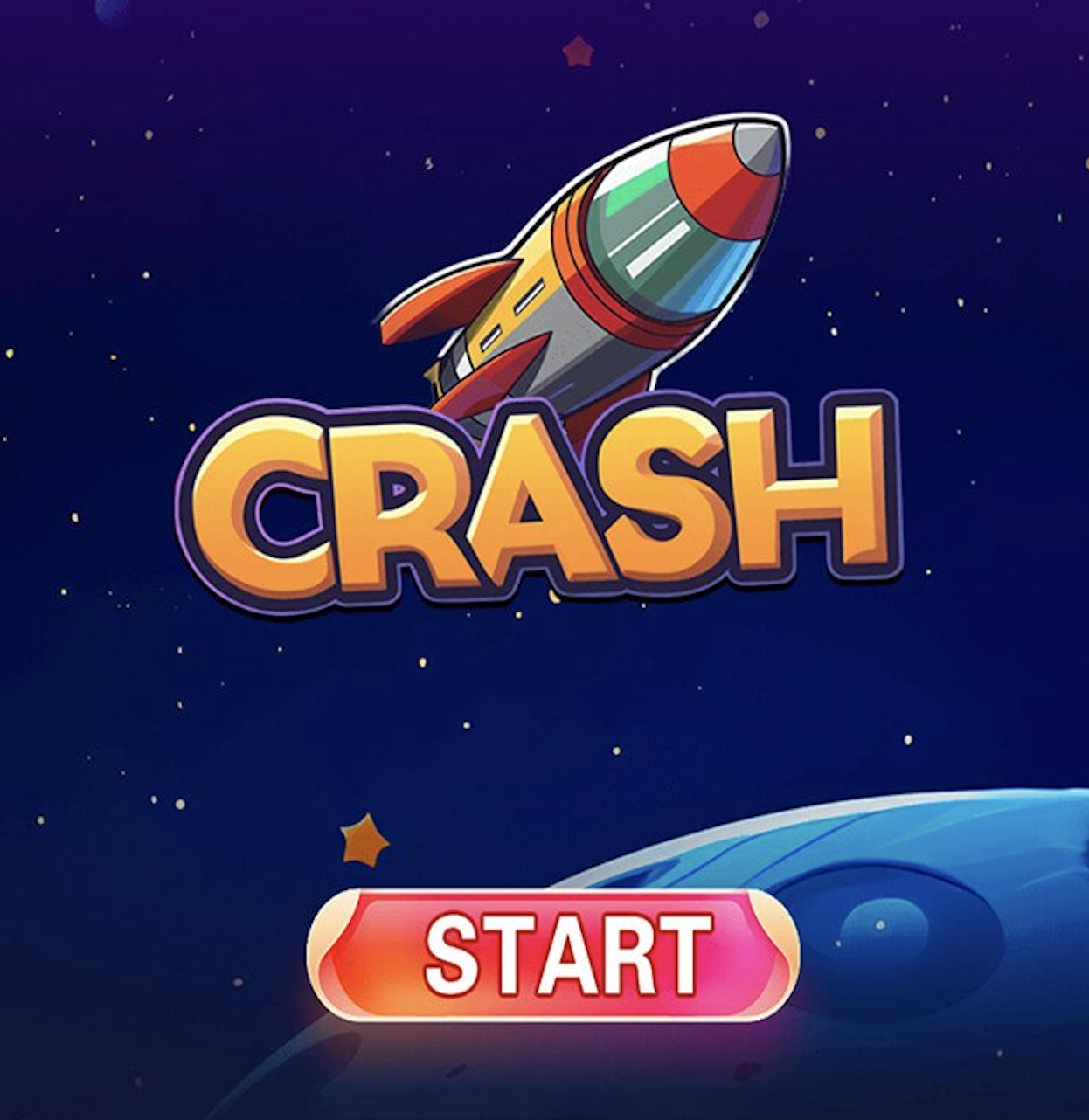
That max figure is obviously not the part most players will ever experience, but it does shape the game’s identity. Stake’s version is built around the idea that anything can happen, even if the realistic session experience is mostly about low-to-mid multiplier decisions. The interface uses a rocket presentation that suits the format without overcomplicating it, and the betting panel is one of the cleaner ones in the market.
Stake also does a solid job of treating Crash as a real game rather than a novelty widget. The site gives it room, provides both manual and auto options, supports multiplayer visibility, and integrates it into the wider Stake Originals ecosystem where players already expect fast, transparent, repeatable formats.
For players who want a pure expression of Crash without extra mode clutter, Stake is one of the strongest examples. It feels closest to the archetype. The trade-off is that it stays very focused on the classic formula rather than trying to reinvent it.
Crash at BC.Game
BC.Game takes a broader approach. Crash is part of a much larger originals environment, and the platform presents the game as a provably fair multiplier title with a 99% RTP, auto cashout support, recent round history, and a faster, more community-shaped identity. BC.Game also pushes adjacent crash-style products and variant instant games more aggressively than some competitors do, which makes its entire ecosystem feel built around rapid original play.
One interesting difference is that BC.Game tends to package Crash within a wider family of formats and modes rather than treating the classic version as the only expression that matters. That suits players who like exploring variants and adjacent multiplier games, but it can make the experience feel less singular than Stake’s cleaner flagship approach.
From a usability standpoint, BC.Game suits players who want options. It is a good home for users who may start with classic Crash, then move to similar in-house products without changing platform identity. The game’s rhythm is still recognisably Crash, but the surrounding ecosystem is busier and more experimental.
The downside is that a busier ecosystem can make the session feel less disciplined. Players who already struggle with jumping between high-volatility formats may find BC.Game especially tempting in the wrong way. For pure Crash focus, some will prefer a cleaner one-title presentation. For variety lovers, BC.Game is one of the strongest examples in the field.
Crash at Rakebit
Rakebit presents Crash as part of a crypto-native originals suite that leans heavily on responsiveness, real-time play, and provably fair framing. The platform describes its version as a slick, high-speed title where the multiplier climb and cashout timing do the heavy lifting, which is the right way to sell Crash when the operator wants to target players who already understand the format.
What makes Rakebit interesting is not radical mechanical innovation. It is the packaging. The site positions Originals as part of a broader Web3-style gambling identity, and Crash fits that positioning naturally. The message is less about traditional casino polish and more about speed, transparency, crypto integration, and constant availability.
That makes Rakebit’s Crash especially suitable for players who care about the culture around the game as much as the game itself. It feels tailored for the crypto-native crowd rather than for a mixed audience arriving from mainstream online casino habits. The interface language, the framing of transparency, and the emphasis on fast deposits and quick movement all reinforce that.
The caution here is simple: Rakebit’s branding can make the game feel more modern and controlled than it really is. Crash remains Crash. The clean interface and provably fair framing improve trust and usability, but they do not soften the underlying volatility.
Crash at Whale.io
Whale.io treats Crash as part of its Whale Originals suite and positions the whole category around a 99% RTP framework with provably fair mechanics. That already tells a player what kind of experience to expect. Whale is not trying to turn Crash into a theme-heavy spectacle. It is presenting the format as one piece of a tightly integrated originals ecosystem built for crypto payments, quick access, and repeat play.
The Whale approach appears strongest for players who like ecosystem-style original suites rather than one standout title. Crash is there, but it sits alongside other originals as part of a broader retention design. That gives it a slightly different flavour from a platform that treats Crash as a near-flagship attraction.
In practical terms, Whale.io’s version should appeal to players who want a familiar high-RTP original inside a wider crypto casino and sportsbook environment. It is less about reinvention and more about clean implementation. For many players, that is enough. Crash does not need elaborate decoration. It needs speed, clarity, and a trustworthy fairness layer.
Where Whale can be a strong fit is for players who already use the broader platform and want Crash as part of an all-in-one original lineup rather than as a destination game in isolation.
Crash at BitStarz
BitStarz gives Crash a slightly different position from the more purely crypto-native platforms because BitStarz serves both crypto and real-money users. Its Originals suite includes Crash as a high-volatility title with a 100,000x maximum multiplier, a maximum win quoted at €100,000, and provably fair verification support across the in-house portfolio.
That makes BitStarz Crash interesting for two reasons. First, it shows how the format translates outside the most obviously crypto-coded ecosystems. Crash is no longer confined to one casino culture. Second, BitStarz places more explicit emphasis on headline volatility and max-win framing than some competitors do. The title is positioned as a serious adrenaline game rather than a casual multiplier toy.
The high-volatility label is important here. BitStarz is not presenting Crash as a friendly warm-up title. It is describing it much closer to how the game actually behaves when players start chasing higher numbers. The provably fair tool across Originals also gives the platform a credibility advantage, especially for users who want a more documented verification flow.
For players who want a Crash example that sits inside a broader, more mature casino brand rather than a purely crypto-native culture, BitStarz is one of the most useful comparisons.
Which Version Feels Best for Different Players
There is no single best Crash version for every player because the format is so dependent on interface preference and platform identity.
Stake is one of the strongest picks for players who want a clean, archetypal Crash experience with clear math, a strong originals identity, and a flagship-style presentation. It feels closest to the pure form of the game.
BC.Game is strong for players who like Crash but also want a larger world of adjacent originals and rapid experimentation. It is the better example for users who treat Crash as one part of a broader instant-game habit.
Rakebit suits crypto-native players who care about responsive original design and a modern, Web3-coded environment. It feels more niche, but in a deliberate way.
Whale.io is a good fit for players who want Crash integrated into a wider originals and rewards ecosystem without demanding that the game act as the platform’s single defining attraction.
BitStarz is the better comparison for players who want Crash inside a more established casino environment that still embraces provably fair originals and gives the format serious volatility positioning.
The common thread is that none of these versions changes what Crash fundamentally is. The differences are real, but they are mostly about presentation, ecosystem, fairness tooling, and surrounding platform value.
Is Crash Good for Crypto Casino Players?
Yes, but only in the right sense. Crash is a natural fit for crypto casinos because crypto payments, fast balance movement, and provably fair framing all complement the format. The game feels modern inside a crypto environment. It loads quickly, explains itself instantly, and suits players who are already comfortable with rapid stake cycling.
That does not mean crypto makes Crash safer, softer, or more profitable. It does not improve RTP. It does not reduce the house edge. It does not protect players from poor target selection or emotional overreach. Crypto only changes the payment and platform environment around the game.
This matters because Crash can encourage a dangerous kind of overconfidence in crypto settings. Everything feels fast, clean, and under control. The round history is visible. The fairness tools are visible. The wallet updates are instant. That can make the whole experience feel more manageable than it really is. In reality, the underlying risk is exactly what it looks like: a rapidly rising multiplier game that can end at any moment.
For disciplined players, that directness is a strength. For impulsive players, it can be a trap.
Pros and Cons
Pros
- Easy to understand within minutes
- Fast rounds make it ideal for short sessions
- Usually paired with strong originals interfaces and mobile usability
- Provably fair verification suits the format well
- High headline RTP on many versions
- Strong social and streaming appeal
- Flexible enough for cautious or aggressive target styles
Cons
- High volatility in practice, even with low cashout targets
- Auto cashout can improve discipline but cannot remove the edge
- Fast pace can burn bankroll surprisingly quickly
- The format encourages chasing after visible near-misses
- Large multipliers distort memory and can fuel unrealistic expectations
- Platform differences matter, but none of them changes the core risk profile
Final Verdict
Crash Originals deserves its place as one of the defining formats of crypto gambling. It is fast, clean, engaging, and much better suited to provably fair presentation than most traditional casino products. At its best, it delivers a sharp, transparent, high-pressure experience that feels genuinely modern rather than like a slot lobby add-on wearing crypto branding.
It is also one of the easiest games to misread. The clean interface and simple rules can make the format look gentler than it is. The usual 99% RTP framing can make it sound safer than it feels. Auto cashout can make it appear more controllable than it really is. All of those impressions contain a little truth and a lot of danger.
As a gambling format, Crash is best for players who understand variance, respect bankroll limits, and want an active decision-driven experience rather than a passive slot session. It is worse for players who chase losses, overvalue strategy systems, or mistake frequent low-multiplier wins for genuine safety.
Among the examples here, Stake remains one of the cleanest flagship versions of classic Crash. BC.Game stands out for breadth and ecosystem variety. Rakebit offers a strong crypto-native presentation. Whale.io treats Crash as part of a broader originals identity built around high RTP positioning. BitStarz provides one of the more mature non-pure-crypto comparisons, with a strong provably fair story and a clearly stated high-volatility profile.
For the right player, Crash Originals is absolutely worth playing. For the wrong player, it can become one of the fastest ways to turn a simple session into a frustrating chase. That tension is exactly why the format remains so compelling.
FAQ
What is Crash Originals?
Crash Originals is a provably fair or in-house casino game format where a multiplier rises from 1.00x until it crashes. Players must cash out before the crash to win.
Is Crash a slot game?
No. Crash is not a slot. It has no reels, paylines, or symbol combinations. It is a multiplier timing game built around a rising curve and a random crash point.
What is the RTP of Crash Originals?
Many Crash Originals sit around 99% RTP, but that varies by platform and version. Players should always check the live game information because headline RTP does not guarantee a soft session.
Is Crash high volatility?
Yes. Even when players aim for lower cashout targets, Crash is high volatility in practical session terms because low crashes can erase multiple earlier wins very quickly.
Does auto cashout make Crash safer?
Auto cashout can improve discipline, but it does not make the game safer in mathematical terms. The edge and randomness remain the same.
Is Crash provably fair?
Many originals versions are provably fair, especially on crypto casinos. That means players can verify outcomes through seed-based fairness tools, depending on the platform.
Which casino has the best Crash Originals version?
That depends on player preference. Stake is one of the cleanest classic versions, BC.Game is strong for ecosystem variety, Rakebit is a crypto-native option, Whale.io integrates Crash well into a wider originals suite, and BitStarz offers a strong high-volatility version inside a broader casino brand.
Is Crash good for crypto casinos?
Yes. Crash fits crypto casinos extremely well because it is fast, mobile-friendly, easy to understand, and well suited to provably fair verification. That said, crypto does not change the game’s edge or volatility.
Can Crash be beaten with strategy?
No strategy removes the house edge. Players can choose more disciplined betting behaviour, but they cannot predict crash points consistently or turn the game into a guaranteed long-term profit tool.
Is Crash still worth playing?
Yes, for players who enjoy fast, decision-driven, high-volatility gambling and understand the risks. It is not a good fit for players looking for a slow, forgiving, low-stress casino format.
About the game
Game provider
Crash review


Common Questions About Crash

What Players Are Spinning
This section highlights the games getting the most attention from Hash Spins users right now, from major slot titles to crypto-native favourites.
Crazy Time
Razor Returns
Sugar Rush

Gates of Olympus

Wanted Dead or a Wild

Big Bass Hold & Spinner Megaways

Crazy Coin Flip
Le Bandit

Goal

Chaos Crew

Legacy of Dead
Aviator
Provably Fair Dice
Fire in the Hole 2
Hand of Anubis
Extra Chilli

Wolf Gold
Limbo
Reactoonz
Gonzo’s Quest

Starlight Princess
Prize Case
Tennis
Sweet Bonanza
Mystery Box

Dead or Alive 2
Bonanza
Dice
Money Wheel
Funky Time
Chicken Road

Big Bass Bonanza
Football
Blood Suckers
Balloon

Starburst
Divine Fortune
Mines
Casino Hold’em
Mega Scratch

Jammin’ Jars

Gates of Olympus 1000
Three Card Poker
Immortal Romance
Lightning Dice
Dream Catcher

Sweet Bonanza 1000
Bonus Scratch
Hall of Gods
Mega Moolah
Monopoly Live
Money Train 4
Money Train 2
Book of Dead
Cash Buster
Gold Scratch Card
Slingo Rainbow Riches
Buffalo Hold and Win

Baccarat
Cash Scratch

Buffalo King Megaways
Mega Fortune
Blackjack
Moon Princess
Esports
Lucky Crate
Dice Duel
HiLo Dice
Jacks or Better
Mega Joker
Live Betting
Treasure Chest
Let It Ride
WowPot
Big Bass Hold & Spinner
Big Six Wheel
Deuces Wild
Caribbean Stud
San Quentin
Basketball
Deal or No Deal Live
Lucky 7 Scratch
JetX
Ultimate Texas Hold’em
Bonus Poker
Mega Wheel
Dragon Link
Slingo Deal or No Deal
Slingo Starburst
Lightning Roulette
Pai Gow Poker
Hold and Win Megaways
Double Double Bonus Poker
Joker Poker
Golden Case
Roulette
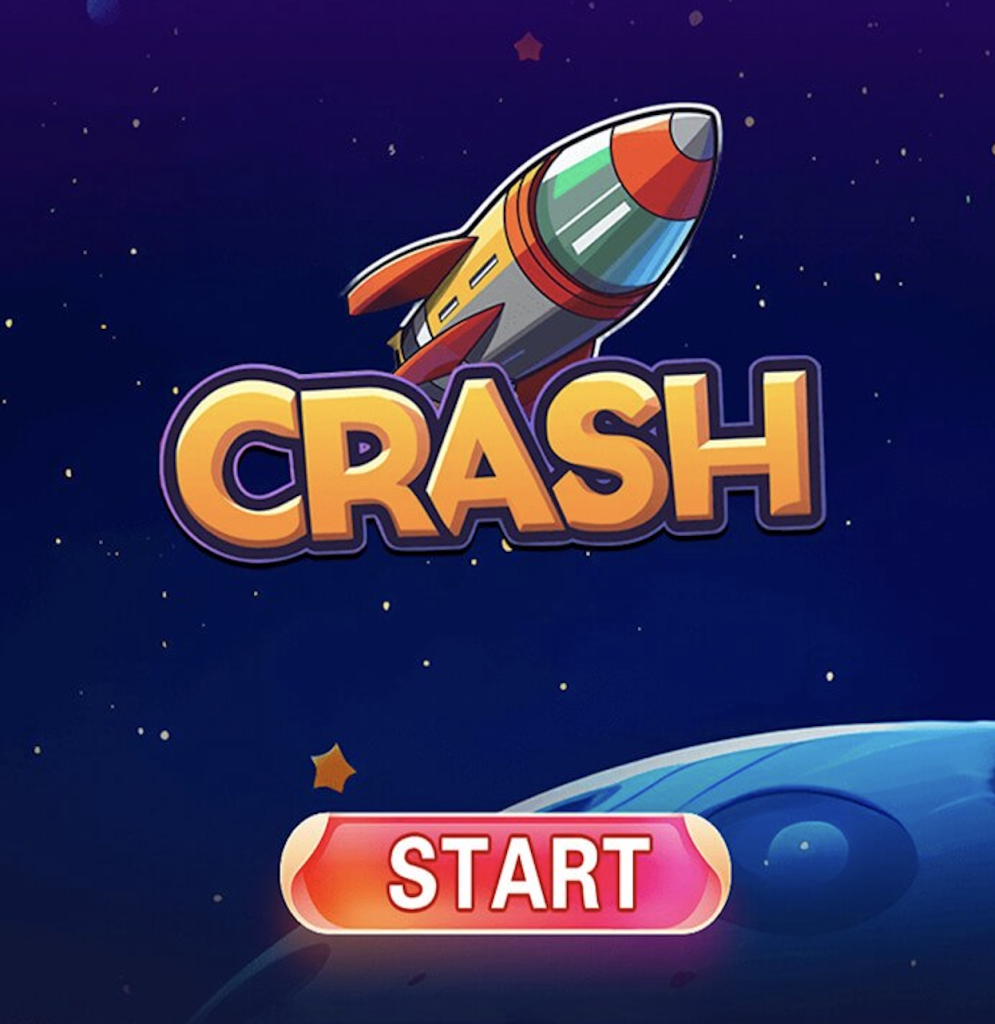
Crash
Plinko
Similar games to Crash
Other Game Types